Active lifestyle
Food Planning for Active Lifestyles
Active lifestyle nutrition is about planning food around movement: sport, walking, commuting, gym days, busy lunches and evening recovery routines.
This guide links back to the pillar atlas, forwards to the plan builder, and across to related food themes so the site feels like a connected magazine rather than isolated pages.
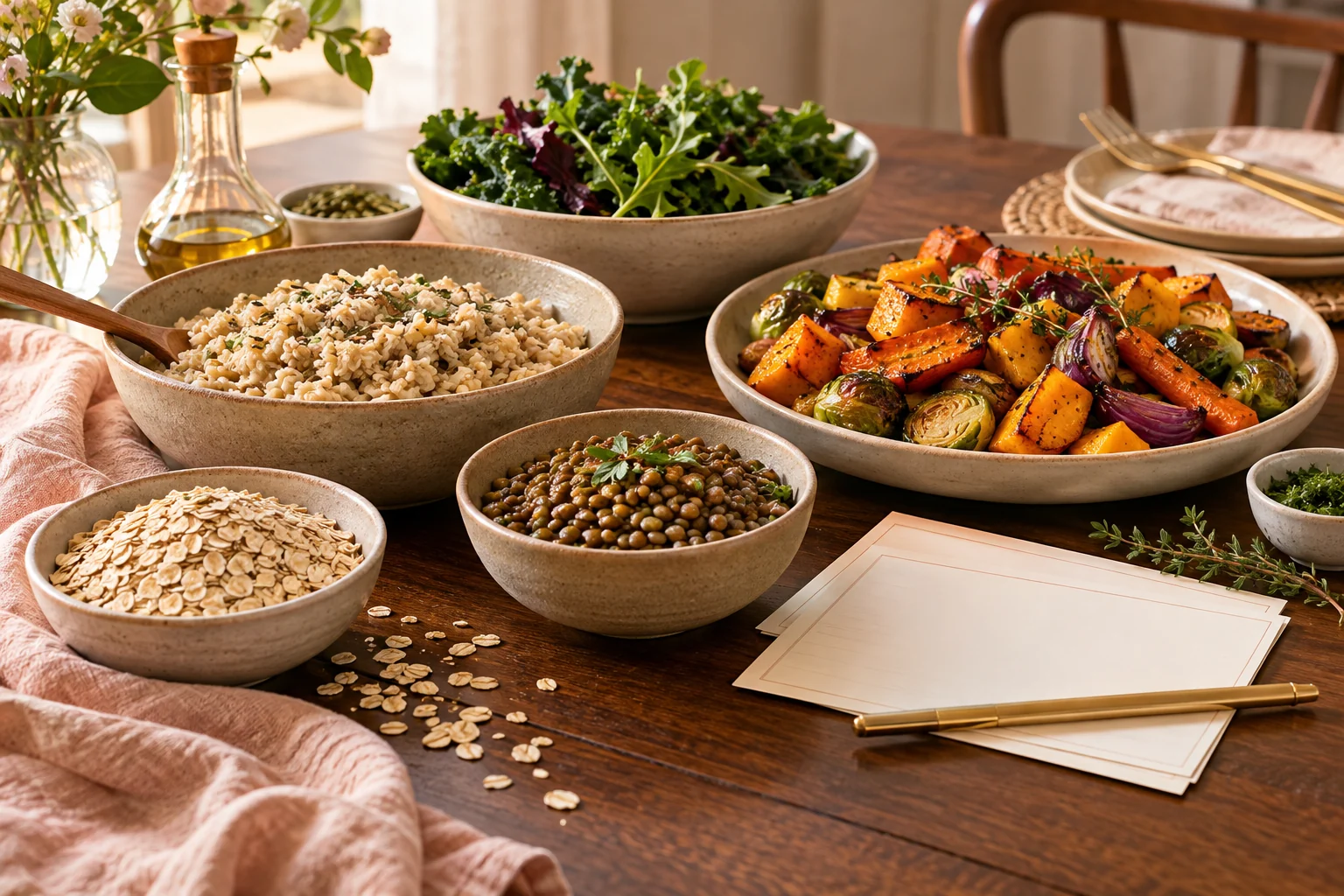
Intro
Read this as a practical routine, not a rigid formula.
Active lifestyle nutrition is about planning food around movement: sport, walking, commuting, gym days, busy lunches and evening recovery routines. The foods in The Healthy Table are useful because they can move: breakfast, lunch, dinner, snack, delivery request, home cooking and packed meals all use them differently.
The article keeps to careful editorial wording. Food can be part of a routine, it can help build rhythm, and it can make balanced meals easier to repeat. It does not need to make exaggerated promises to be useful.
Plan before the active day
Active days are easier when food is ready before the schedule gets loud. Oats, yoghurt, fruit, lentils and eggs are useful because they can be prepared or packed.
The aim is steady planning, not complicated performance language.
Use breakfast as a base
Oats with yoghurt, berries, nuts and seeds give a familiar morning structure. It is easy to repeat and easy to adjust for appetite.
A good active routine starts before the commute, gym bag or long walk.
Pack lunches that survive movement
Lentils, greens, eggs, avocado and seeds can be packed in layers. They hold up better than fragile meals and can be dressed when ready.
This is especially useful for London days with transport, office time and walking between plans.
Keep snacks deliberate
Yoghurt, fruit, nuts or eggs can be small planned food moments. They help active days feel less improvised.
Snacks do not need to be large to be useful; they need to be available.
Make supper calming
After active days, supper works well with a clear anchor: salmon, lentils, eggs or a vegetable-heavy bowl.
The meal should feel satisfying, colourful and realistic for the evening.
Turn movement into menu rhythm
The 7-day request can note sport days, walking-heavy days or gym timing. That context helps shape meals per day and menu style.
The weekly menu preview shows how active-day notes fit naturally into a full week.
How this theme becomes a weekly edit
The practical move is to make the theme visible in several small decisions rather than one dramatic meal. A breakfast bowl can carry oats, yoghurt, berries, nuts and seeds. Lunch can bring leafy greens, lentils, eggs or avocado. Dinner can use salmon, vegetables, herbs and a simple grain or potato base. None of those meals needs to look identical, but they can still share a recognisable rhythm.
That rhythm is what makes the article useful beyond reading time. It gives the visitor language for the 7-day request: which foods feel welcome, which textures matter, whether lunches need to travel, and how active or slow the week is likely to be. The answer can then move from editorial inspiration into a plan that suits real days.
Reader notes before planning
Use the article as a shortlist, then choose the three or four ideas that would genuinely make the week easier. If mornings are rushed, start with oats or yoghurt. If lunches fall apart, start with lentils, eggs and greens. If dinners need more colour, place vegetables and fruits on the shopping list first instead of treating them as an afterthought.
The important part is not to copy every suggestion. The important part is to keep enough structure that shopping, cooking and delivery requests have direction. That is why each supporting article links back to the pillar story, across to related reading and forward to the 7-day plan.
Framework
A practical way to use the article this week
Use this table as a planning prompt before reading the weekly menu preview or opening the 7-day request form.
| No. | Planning move | How to use it |
|---|---|---|
| 1 | Plan before the active day | Use one Top 10 food as the anchor, then add vegetables, fruits, grains or a finishing texture so the idea becomes a meal. |
| 2 | Use breakfast as a base | Use one Top 10 food as the anchor, then add vegetables, fruits, grains or a finishing texture so the idea becomes a meal. |
| 3 | Pack lunches that survive movement | Use one Top 10 food as the anchor, then add vegetables, fruits, grains or a finishing texture so the idea becomes a meal. |
| 4 | Keep snacks deliberate | Use one Top 10 food as the anchor, then add vegetables, fruits, grains or a finishing texture so the idea becomes a meal. |
| 5 | Make supper calming | Use one Top 10 food as the anchor, then add vegetables, fruits, grains or a finishing texture so the idea becomes a meal. |
Turn reading into a week
Use the article as context, then build the 7-day request.
The plan page lets you share menu type, meals per day, number of people, ingredient preferences, allergens, delivery details and preferred start date.